
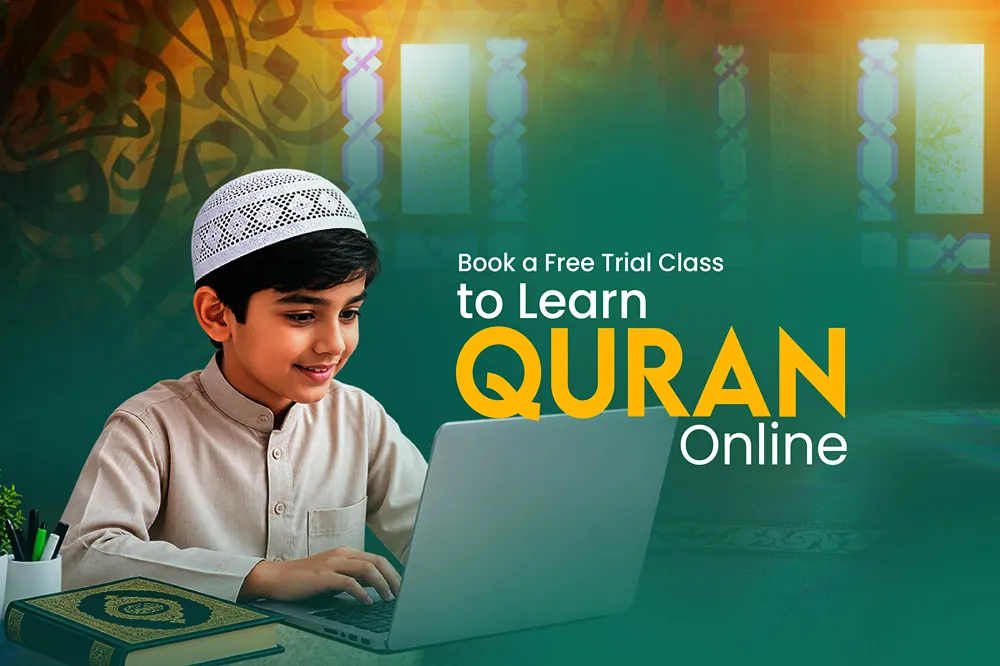
If you have ever thought about learning the Quran but never quite got around to it, you are not alone. Life gets busy, uncertainty creeps in, and the idea of finding the right teacher or the right program starts to feel like a project for another day. That other day, unfortunately, has a way of never actually arriving on its own.
A free trial class removes almost every excuse standing in the way. It costs nothing, requires no long term commitment, and gives you a real, honest look at what learning the Quran online actually feels like before you decide anything further. This article explains exactly what a free trial class involves, why online learning has become such a practical option for both children and adults, and how a program such as Hamid Academy makes that very first step simple and welcoming for learners of every background.
By the time you finish reading, you will know exactly what to expect from your first session, how to choose the right program, and why booking that trial today could be the small decision that finally gets your Quran learning journey moving forward.
Keep in mind that this is meant to be an easy, low stakes decision rather than a major life commitment. A trial class is simply a short conversation and a small practice session, designed to help you decide, with real information rather than guesswork, whether ongoing lessons make sense for you or your family.
The Problem With Waiting to Learn the Quran
Most people who delay learning the Quran are not lacking motivation. They are simply stuck on the first step. Should they buy a book and try alone? Ask a relative for informal lessons? Search for a local teacher with an uncertain schedule? Each option comes with its own friction, and that friction often leads to indefinite delay.

The longer this delay continues, the more it can start to feel like a personal failure, even though the real issue was never a lack of desire. It was simply the absence of a clear, low risk starting point. A free trial class solves this problem directly by giving you a defined, simple first step that requires almost nothing from you except a small amount of time and a little bit of curiosity.
There is also a quieter cost to waiting that many people do not fully notice. Each month that passes without progress can add to a growing sense of guilt or disappointment in oneself, which paradoxically makes starting feel even harder. Breaking this cycle usually does not require a dramatic decision. It requires one small, easy action, such as booking a trial class, that finally interrupts the pattern of delay.
What a Free Trial Class Looks Like
Meeting Your Tutor First
Rather than committing to a program you know nothing about, a trial class lets you meet an actual tutor first. You get to hear their teaching style, ask questions, and get a genuine sense of whether their approach matches what you or your child needs.
No Pressure, No Payment
A proper trial class involves no payment and no obligation to continue. This structure exists specifically so you can explore the idea of learning the Quran online without any financial or long term risk attached to that first conversation.
A Chance to Ask Real Questions
Beyond simply observing a lesson, a trial class gives you a direct opportunity to ask practical questions, such as how progress is measured, how often lessons typically occur, and what a realistic timeline looks like for your specific goals. Getting honest answers to these questions before committing helps set accurate expectations from the very beginning, which can prevent disappointment or confusion later once regular lessons begin.
Why Learning Quran Online Makes Sense Today
Access to Better Tutors
Online learning removes geography as a barrier. Instead of being limited to whoever happens to teach nearby, you gain access to experienced tutors from anywhere, increasing the chance of finding someone whose teaching style genuinely fits your needs. Programs such as Hamid Academy often carefully select tutors specifically for their ability to teach beginners patiently and clearly, which can be difficult to find within a small local pool of teachers, especially in areas without an established Islamic school or community center.
Save Time and Travel
Traveling to and from a physical class often takes as long as the lesson itself, especially in busy cities. Online classes remove this time entirely, making it realistic to fit consistent lessons into an already full schedule. For families with multiple children or several activities to manage each week, this saved time often becomes the deciding factor in whether a Quran habit actually sticks or slowly fades away.
Learn From a Comfortable Space
Many beginners, especially adults, feel more relaxed learning from their own home rather than a formal classroom setting. This comfort often leads to better focus and less anxiety, particularly during the early, more vulnerable stages of learning.
Consistency Across Time Zones and Locations
Families that travel often or relocate for work sometimes struggle to maintain consistent local lessons. Online learning removes this problem entirely, allowing a student to continue with the same tutor and the same structured plan no matter where they are physically located.
What Happens Step by Step During the Trial
Signing Up
The process usually begins with a short online form asking for basic details, such as your name, age or your child’s age, and your current experience with the Quran. This step typically takes only a few minutes and does not require any payment information.
The First Conversation
Once your session begins, the tutor typically starts with a friendly conversation to understand your background, your goals, and any specific worries you might have about learning. This part of the session is relaxed and conversational, more like meeting a new teacher than sitting for any kind of formal evaluation.
A Short Practice Session
Most trial classes include a brief, real practice segment, such as reviewing letters, listening to a short recitation, or reading a simple verse together. This gives you a genuine feel for what regular lessons will actually involve, rather than a vague description of the process.
Getting a Learning Plan
By the end of the session, a good tutor will usually offer a simple suggested plan for moving forward, based on your current level and how much time you realistically have available each week. This plan is meant to be a starting guide rather than a rigid schedule, and it can always be adjusted as your circumstances or goals change over time.
Choosing the Right Program for Your Trial
Look for Qualified Tutors
Before booking, check that tutors have proper training in Tajweed and Quranic studies, along with real experience teaching beginners specifically, since teaching beginners requires a different skill set than teaching advanced students. A tutor who is excellent with experienced students is not always the best fit for someone starting completely from scratch.
Check for Flexible Scheduling
A good program should offer scheduling that fits real life, including evenings, weekends, and options across different time zones. Programs such as Hamid Academy typically offer a wide range of available time slots to accommodate different routines, which becomes especially important once lessons move beyond the trial stage into a regular weekly commitment.
Ask About Ongoing Support
Beyond the trial itself, ask what happens if you have questions between lessons or need to reschedule occasionally. Strong programs provide clear communication channels and flexible policies that make ongoing learning easier to sustain. It is also worth asking whether progress is tracked in any way, such as periodic reviews or simple reports, since this kind of visibility often helps students and parents stay motivated over the long term.
Who Benefits Most From a Free Trial Class
Nervous First Timers
If the idea of starting feels intimidating, a trial class offers a gentle, low pressure introduction that removes much of the fear associated with beginning something new and unfamiliar. Simply seeing that the tutor is patient and understanding often resolves most of the anxiety before the session even ends.
Parents Choosing for Children
Parents often want reassurance about a tutor’s style and patience before committing their child to regular lessons. A trial class allows parents to observe this directly, rather than relying only on descriptions or reviews, and many programs allow a parent to sit in quietly during the session for additional peace of mind.
Adults Restarting Their Learning
Adults who learned the Quran as children but feel rusty or disconnected often use trial classes as a comfortable way to restart, without the awkwardness of feeling like a complete beginner in a formal group setting. A private trial removes the fear of comparison entirely, since there is no one else present to compare progress against.
Overcoming Hesitation to Book Your Trial
Feeling Too Busy
Many people believe they simply do not have time for Quran lessons. A trial class requires only thirty minutes, making it realistic to fit into even a demanding schedule as a first, low commitment step. If the trial itself fits, ongoing lessons of a similar length usually fit as well, especially once a fixed weekly time is established.
Feeling Unsure About Commitment
Some hesitate because they worry that booking a trial obligates them to continue. In reality, reputable programs, including Hamid Academy, make it clear that there is no pressure or expectation to continue after the trial ends. You are free to simply thank the tutor and step away if it does not feel like the right fit.
Feeling Nervous About Judgment
A common fear is being judged for a low starting level, especially among adults. Trial classes are specifically designed to be supportive and encouraging, since tutors understand that most students beginning a trial have little to no prior experience. In fact, tutors who specialize in beginner instruction often find these early sessions the most rewarding part of their work.
Making the Trial Class Count
To get the most from your trial session, choose a quiet time free from interruptions, keep a Quran or a translation nearby even as a beginner, and come prepared with a few honest questions about your goals or concerns. Treating the session as an open conversation, rather than a performance, allows both you and the tutor to get a clear, honest sense of the right path forward.
It also helps to be honest about your current level rather than exaggerating or underselling your ability. An accurate starting point allows the tutor to suggest a realistic and effective plan, rather than one based on a misunderstanding of where you or your child truly stand.
Finally, try to approach the session without comparing it to any previous negative experience you may have had with learning in the past. Every tutor and every program has a different style, and a single disappointing experience years ago should not determine whether you give a fresh, structured approach a fair chance today.
Stories From People Who Took the First Step
Salma, a New Mother
Salma wanted to start reciting properly again after years of being busy with a new baby. She booked a trial class during her baby’s nap time and was surprised by how manageable the short session felt. She has continued weekly lessons through Hamid Academy ever since.
Danish, a Shy Teenager
Danish felt embarrassed about his basic reading level compared to friends at his mosque. A private online trial class gave him a judgment free space to practice, and he said the personalized attention helped him improve quickly without the social pressure he felt in group settings.
Huma, an Office Manager
Huma had wanted to learn Tajweed properly for years but always assumed classes would require rigid scheduling she could not manage. Her trial class showed her how flexible online scheduling could be, and she now attends lessons twice a week around her work hours.
Bilal, a Grandfather
Bilal, in his seventies, wanted to relearn proper recitation after decades away from formal study. His trial tutor patiently adjusted the pace to match his comfort level, and he said this respectful approach made him feel welcome rather than out of place.
Nadia, a Recent University Graduate
Nadia felt disconnected from her faith after years focused entirely on her studies and career. She booked a trial class almost on impulse during a quiet weekend, expecting little from it. She later described the simple, unpressured conversation with her tutor as the moment she finally reconnected with something she had been missing for years without fully realizing it.
Checklist Before You Book
- Decide whether the trial is for yourself, your child, or a family member
- Choose a quiet time with no interruptions
- Prepare a Quran or translation, even as a beginner
- Write down a few honest questions or goals beforehand
- Remember that the trial involves no cost and no obligation to continue
- Be honest about your current level so the plan suggested afterward is accurate
Summary
Booking a free trial class is one of the simplest, lowest risk ways to finally begin learning the Quran online. This article explained why so many people delay starting, what actually happens during a trial session, and how to choose a program that fits your needs, whether for yourself, your child, or another family member.
The stories shared throughout this article, from a busy new mother to a grandfather returning to study after decades away, all point to the same lesson. The specific worry holding someone back rarely matters once they experience a supportive, well structured trial class firsthand. Programs such as Hamid Academy are designed specifically to remove these barriers and make that first step feel welcoming rather than intimidating.
It is also worth remembering that consistency, not perfection, is what ultimately builds a strong relationship with the Quran. A trial class is simply the doorway into that consistency, and walking through that doorway costs nothing beyond a small amount of time and a willingness to try.
Conclusion
There is very little reason left to keep delaying once you understand what a free trial class actually involves. It costs nothing, takes only a short amount of time, and gives you a clear, honest look at what ongoing Quran lessons would feel like, without any pressure attached to that first conversation.
Hamid Academy offers a patient, structured environment for learners of every age and background, from complete beginners to those returning after years away from formal study. Book a free trial class today, and take the first small step toward the steady, guided Quran learning journey you have likely been thinking about for far longer than you realized. The decision itself is simple, and the only real requirement is finally choosing to begin.
Frequently Asked Questions
1. How do I book a free trial class to learn Quran?
Most programs, including Hamid Academy, allow you to book a free trial class directly through their website by sharing basic details and selecting a convenient time.
2. What should I expect from my first Quran class?
Expect a friendly introduction, a simple assessment of your current level, and a short practice segment, followed by suggestions for how future lessons could look.
3. Is it hard to learn Quran online as an adult?
No. Many adults successfully learn the Quran online, especially with personalized, one on one instruction that matches their pace and comfort level.
4. What is the best age to start learning Quran?
There is no fixed best age. Children as young as five can begin with simple lessons, while adults of any age can start effectively as well.
5. Do online Quran classes really help beginners?
Yes. Structured online classes, especially with a qualified tutor, are often very effective for beginners, since lessons can be personalized to individual needs and pace.
6. Is a free trial class really free with no hidden charges?
Reputable programs such as Hamid Academy offer trial classes with no cost and no obligation to continue afterward.
7. Can I book a trial class for my child instead of myself?
Yes. Many trial classes are specifically designed for children, using engaging, age appropriate methods to introduce basic reading and recitation.
8. What if I feel embarrassed about my current reading level?
Trial classes are designed to be supportive, not judgmental. Tutors expect a wide range of starting levels and are trained to work patiently with complete beginners.
9. How long does a typical trial class last?
Most trial classes last around thirty minutes, enough time for a proper introduction, a small practice session, and a suggested learning plan.
10. What happens if I decide not to continue after the trial?
There is no obligation to continue. You are free to decide afterward whether ongoing lessons feel like the right fit for you or your family.


