The teenage years are busy. Between school, homework, sports, friends, and screen time, it can feel like there is barely a spare hour in the day. Yet this is exactly the stage of life when a strong connection with the Quran can shape a young person’s character for years to come. This is where online Quran classes for teenagers come in, offering a practical way to learn the Quran without adding travel time or disrupting an already packed schedule.
In this guide from Hamid Academy, we will look at what online Quran classes for teenagers really involve, why this stage of life matters so much for faith building, and how a family can choose a program that actually works. Whether your teenager is just starting to read Arabic or is ready to begin memorizing longer surahs, this guide will help you understand the full picture in simple, clear language.
Why the Teenage Years Matter for Quran Learning
The teenage years are when a young person starts forming their own identity, opinions, and habits. Many of these habits, good or bad, tend to stick for life. This makes it a critical window for building a personal relationship with the Quran, rather than simply following along with what parents say.
Younger children often learn the Quran because a parent tells them to. Teenagers, on the other hand, begin to ask deeper questions. They want to know why certain rules exist, what the stories in the Quran mean for their own lives, and how faith connects to the pressures they face at school and online. A good online Quran program does not just teach recitation, it gives teenagers space to explore these questions with a teacher they trust.
Skipping structured Quran learning during these years often means a teenager enters adulthood with only a surface level connection to their faith. Starting or continuing lessons now, in a format that fits their schedule, helps that connection grow stronger rather than fade away.
It also helps to remember that teenagers are watching how the adults around them treat faith, not just listening to what they are told. When parents show genuine interest in a teenager’s Quran journey, asking about what they learned rather than only checking if homework was done, it sends a clear message that this learning matters beyond simply completing a task. That small shift in attitude often does more for long term commitment than any amount of reminding or pressure ever could.
What Online Quran Classes for Teenagers Actually Look Like
One on One Sessions
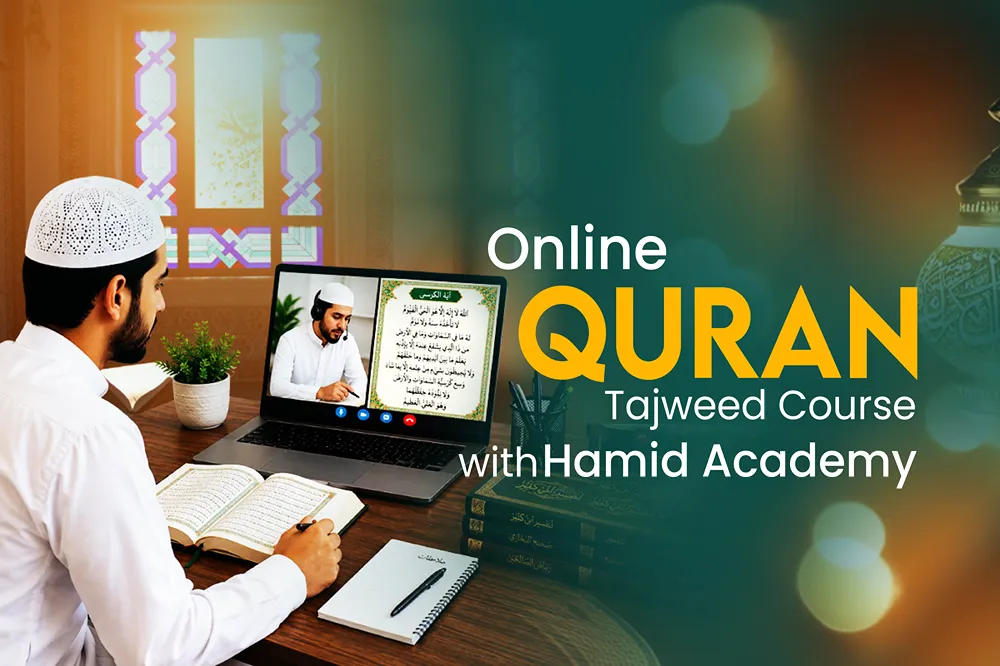
Most online Quran academies, including Hamid Academy, offer private one on one classes where a single teacher works directly with one student. This format lets the teacher move at the exact pace the teenager needs, correcting pronunciation, answering questions honestly, and building a comfortable teacher student relationship over time. For a teenager who might feel shy correcting mistakes in front of a group, this private setting often works far better.
Group Classes
Some families prefer small group classes, where a handful of teenagers around the same age and level study together. This option can be more affordable and also brings a sense of shared learning, since teenagers often enjoy studying alongside peers going through the same material. Group classes work especially well for topics like Islamic studies or Tafsir discussions, where hearing other students’ questions and views adds to the learning experience.
What Gets Taught
A complete online Quran program for teenagers typically covers several areas together, rather than just reading verses aloud. This usually includes correct pronunciation and Tajweed rules, memorization of new surahs at a manageable pace, review of previously memorized material, and understanding the meaning of what is being read through simple translation and explanation. Many programs also weave in basic Islamic studies, covering topics such as the life of Prophet Muhammad, daily duas, and good character, since these subjects naturally connect to what the teenager is memorizing.
Benefits of Online Quran Classes for Teenagers
- Flexible scheduling that respects a busy life: Teenagers juggle school, homework, and extracurricular activities. Online classes let families pick class times that genuinely fit, whether that is early morning, right after school, or on a weekend.
- Access to qualified teachers regardless of location: Families no longer need a good Quran teacher living nearby. Online platforms connect students with experienced instructors from many different countries and teaching backgrounds.
- A comfortable, low pressure learning environment: Learning from home removes the anxiety some teenagers feel about attending an unfamiliar physical class, especially those who are new to structured Quran study or feel self conscious about their current reading level.
- Personal attention through one on one teaching: A private teacher can focus entirely on one student’s strengths and weaknesses, something that is harder to achieve in a crowded classroom setting.
- Parental visibility without constant supervision: Most platforms offer progress reports, class recordings, or dashboards so parents can stay informed without needing to sit in on every single lesson.
- Consistency that builds lasting habits: Regular, scheduled sessions help teenagers treat Quran study as a normal part of their week, rather than something that only happens occasionally.
- A safe space for female teenagers with female teachers: Many academies, including Hamid Academy, offer the option of a female teacher for female students, which can make a real difference in comfort and openness during lessons.
Signs Your Teenager Is Ready for Online Quran Classes
Many parents wonder whether their teenager is at the right stage to begin or continue structured Quran learning online. A few signs usually point toward readiness. If your teenager can already read basic Arabic letters or has completed early stages such as Noorani Qaida, they are usually ready to move into more structured recitation and Tajweed work. If they show curiosity about the meaning behind what they recite, asking questions about stories or rulings, this is often a good sign that they are ready for lessons that include translation and discussion, not just repetition.
It also helps if your teenager is comfortable using basic video call technology, since this removes one extra hurdle during the first few sessions. Finally, readiness is not only about skill level. A teenager who is willing to commit to even two short sessions a week, even if their current reading level is basic, is usually in a good position to start, since consistency matters far more at this stage than starting with advanced ability.
How to Keep a Teenager Motivated Over the Long Term
Starting online Quran classes is often the easy part. Keeping a teenager engaged over months and years takes a bit more thought. One approach that works well is setting small, visible goals, such as completing a specific surah by a certain date, rather than leaving progress open ended with no clear markers. Teenagers tend to respond well to a sense of achievement they can actually see.
Another helpful approach is connecting lessons to real life moments. If a teenager is going through a stressful exam period, a teacher might bring up a verse about patience or trust in Allah during difficulty, showing that the Quran speaks directly to what they are experiencing rather than feeling like a separate, disconnected subject. Involving teenagers in choosing their own short term goals, rather than only receiving instructions, also builds a stronger sense of ownership over their learning, which tends to last far longer than motivation that comes only from external pressure.
Common Challenges Teenagers Face and How Online Classes Help
- Lack of time: Teenagers often feel they simply do not have room for another commitment. Short, focused online sessions, sometimes as brief as thirty minutes, fit far more easily into a tight schedule than a class requiring travel.
- Loss of motivation over time: It is common for enthusiasm to fade after the first few weeks. A good teacher keeps sessions engaging by mixing memorization with discussion, stories, and real life application rather than repetitive drilling alone.
- Feeling disconnected from the meaning of what they read: Many teenagers can recite verses without understanding them. Programs that include simple translation and reflection help close this gap.
- Peer pressure and distraction from screens: Ironically, since classes happen on a screen, distractions like messaging apps or games can creep in. Setting a distraction free space and having a dedicated device for lessons helps keep focus during class time.
- Shyness about mistakes: Teenagers sometimes worry about being corrected in front of others. One on one classes remove this concern almost entirely, since the only other person present is the teacher.
How to Choose the Right Online Quran Academy
Not every online Quran academy offers the same quality of teaching, so it helps to know what to look for.
- Qualified and experienced teachers: Look for instructors who are certified in Tajweed and have specific experience teaching teenagers, since this age group often needs a different teaching style compared to young children or adults.
- A trial class before committing: A reliable academy, including Hamid Academy, will usually offer a free or low cost trial lesson so the family can see if the teacher and teaching style are a good fit before signing up for a longer plan.
- Clear curriculum and progress tracking: Ask whether the academy provides a structured plan covering Tajweed, memorization, and understanding, along with regular updates on how the student is progressing.
- Flexible rescheduling options: Since teenagers have unpredictable schedules due to exams or school events, check that the academy allows classes to be rescheduled without penalty.
- Positive reviews from other parents: Genuine feedback from other families, especially those with teenagers, gives a realistic picture of what to expect.
- Reasonable and transparent pricing: Compare a few academies and be cautious of any program that pressures a long term commitment before a single trial class has even taken place.
Step by Step Guide to Getting Started
Step 1: Talk with your teenager first: Since teenagers respond better when they feel involved in the decision, discuss what they want from Quran classes rather than simply signing them up without conversation.
Step 2: Research two or three academies: Compare teaching styles, pricing, and reviews rather than choosing the very first option that appears online.
Step 3: Book a trial lesson: Use this session to judge whether the teacher communicates clearly and whether your teenager feels comfortable.
Step 4: Set a realistic weekly schedule: Two or three short sessions a week often work better for a busy teenager than one long session that feels exhausting.
Step 5: Prepare a quiet, distraction free space: A simple desk with good lighting, a stable internet connection, and a device set to do not disturb mode makes a real difference in lesson quality.
Step 6: Review progress together regularly: Check in with your teenager and their teacher every few weeks to celebrate progress and adjust the plan if something is not working.
Step 7: Stay patient through slow periods: Memorization and Tajweed both take time. Progress will not always be fast, and that is completely normal.
Best Practices for Parents and Teenagers
- Keep the tone encouraging rather than strict, since teenagers respond far better to support than pressure.
- Let the teenager choose their preferred class time whenever possible, since this builds a sense of ownership over their own learning.
- Avoid comparing your teenager’s pace to siblings or classmates, since every student progresses differently.
- Encourage short daily review, even five to ten minutes, rather than relying only on the scheduled class time.
- Celebrate small milestones, such as finishing a new surah or improving a difficult pronunciation, to keep motivation strong.
Common Mistakes to Avoid
- Choosing the cheapest option without checking teacher quality: A very low price sometimes reflects a lack of proper teacher training or experience.
- Skipping the trial class: Committing to a long term plan without first testing the teacher and platform can lead to a poor fit that is hard to undo later.
- Overloading the schedule: Signing a teenager up for daily long sessions on top of school work often leads to burnout rather than steady progress.
- Ignoring the technical setup: A poor internet connection or an unsuitable device can ruin an otherwise good lesson, so it is worth testing the setup before the first class.
- Focusing only on memorization and skipping meaning: Reciting without understanding limits how much a teenager connects with what they are learning.
Expert Tips From Hamid Academy Teachers
- Teachers at Hamid Academy often recommend starting new teenage students with a short assessment lesson, so the teaching plan can be built around their actual current level rather than guessing.
- For teenagers who feel shy about their pronunciation, instructors suggest beginning each session with a short warm up reading of already familiar verses before introducing anything new.
- When teaching Tajweed to older students, teachers find it helpful to explain the reasoning behind a rule rather than asking for repetition alone, since teenagers tend to remember concepts better when they understand the logic.
- For memorization, breaking a new page into small sections and reviewing each one several times before moving forward tends to work better than trying to memorize a full page in one sitting.
- Teachers also recommend connecting lessons to real conversations happening in a teenager’s life, such as linking a Quranic story about patience to a challenge they are currently facing at school.
Summary
Online Quran classes for teenagers offer a flexible, comfortable, and effective way to build a lasting connection with the Quran during one of the most important stages of life. With options ranging from private one on one sessions to small group classes, teenagers can learn Tajweed, memorize new surahs, and understand the meaning behind what they recite, all without adding travel time to an already busy schedule. Choosing the right academy comes down to checking teacher qualifications, testing a trial class, and setting a realistic weekly routine that respects both school life and spiritual growth.
Conclusion
Helping a teenager build a real relationship with the Quran does not require a perfect schedule or unlimited free time. Online Quran classes make it possible to fit meaningful learning into even the busiest week, using qualified teachers, flexible timing, and a comfortable home setting. The team at Hamid Academy believes that with the right teacher, a realistic pace, and steady encouragement from parents, teenagers can grow in both knowledge and faith during these formative years. If you are ready to begin this journey, a simple trial class is often the best first step.
Frequently Asked Questions
1. What are online Quran classes for teenagers?
Online Quran classes for teenagers are structured lessons delivered over video call, where a qualified teacher guides a teenage student through Quran recitation, Tajweed, memorization, and basic Islamic studies from the comfort of home.
2. Are online Quran classes effective for teenagers?
Yes, when taught by a qualified teacher with a clear plan, online classes can be just as effective as in person classes, and often more consistent since they fit more easily into a teenager’s schedule.
3. How much do online Quran classes cost?
Pricing varies widely between academies and depends on factors such as class length, whether lessons are private or group based, and how many sessions are booked per week. It is best to compare a few academies and check what is included before choosing.
4. What should parents look for in an online Quran academy?
Parents should look for qualified and experienced teachers, a trial class option, a clear curriculum, flexible rescheduling, positive reviews from other families, and transparent pricing.
5. Can teenagers learn Tajweed online?
Yes, Tajweed can be taught effectively online through live correction during recitation, screen sharing for written examples, and repeated practice guided by the teacher in real time.
6. How long does it take to memorize the Quran online?
This depends on the pace of the student, how many sessions are scheduled per week, and how much daily review is done outside of class. Some teenagers memorize a few pages a month, while others move faster or slower depending on their schedule and consistency.
7. Are online Quran classes safe for teenagers?
Reputable academies, including Hamid Academy, take safety seriously by offering certified teachers, the option of a same gender teacher, and features like progress tracking so parents can stay informed about their teenager’s learning.
8. What equipment is needed for online Quran classes?
A stable internet connection, a laptop, tablet, or smartphone with a camera and microphone, and a quiet space are usually all that is needed to join an online Quran class.
9. Should teenagers take private or group Quran classes?
Private one on one classes usually allow faster, more personalized progress, while group classes can be more affordable and offer a sense of shared learning with peers. The right choice depends on the teenager’s personality and learning style.
10. How do I start online Quran classes for my teenager?
Start by discussing the decision with your teenager, researching a few academies, booking a trial class to test the teacher and platform, and then setting a realistic weekly schedule once you find a good fit.